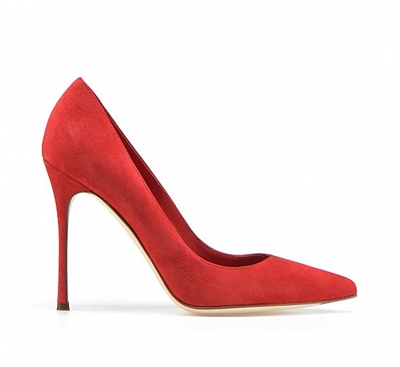
We keep talking about districts on the Adriatic coast, and we bring you to a small town well known by insiders and fashion victims, but maybe not so famous for the big public: San Mauro Pascoli.
San Mauro Pascoli: footwear from Romagna
A 10'000 people town, Mauro Pascoli is far less than 10km from the sea: a typical landscape Romagna backcountry, where hills and sea are the fascinating frame of the footwears production that starting around the middle of the 1800s.
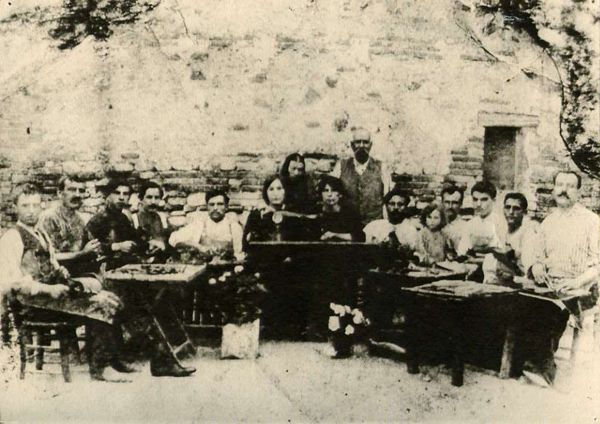
In the first decades of '900 San Mauro Pascoli had a huge bond with the Italian army, until the end of world war two, when the town was entirely destroyed.
The rebirth of the footwear district of San Mauro Pascoli
After fifty years of creating work footwear for the army, the district of San Mauro Pascoli discovers new horizons, with an economic phase - the post-war economic boom - that can offer prosperous scenarios of growth, development and collaboration with stylists from all over Italy.
The '50s and' 60s finally give to San Mauro Pascoli a manufacturing identity and in 1957 stands the Miramar complex, characterized by an industrial conception.
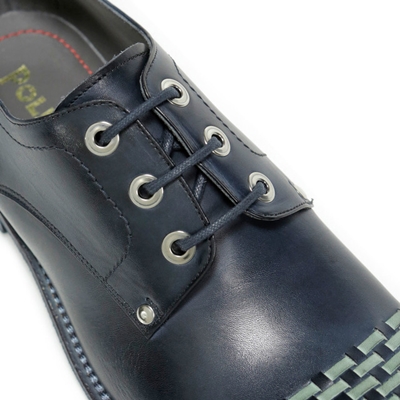
District of San Mauro alle Pascoli: female footwear
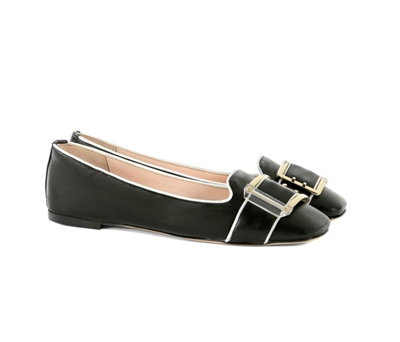
The main focus of the district is in women's shoes, but also men's shoes are considered top-level goods.
Industrialization was the real turning point for the district of San Mauro Pascoli. Appreciated in Italy, the Sam Mauro shoes were immediately recognized for their quality in other European countries such as France (the country of fashion together with Italy) and Germany. In the '70s the brands Casadei, Pollini and Sergio Rossi became cult brands even in the United States, which have always admired the made in Italy.
In this period the district lives almost a competition with the Parisian world for the sophistication of its creations, positioning itself in the luxury market, and choosing to serve a niche with competence and quality rather than trying to compete for the mass market production. A successful choice: communicate the values of Made-in-Italy and the quality instead of competing with new emerging countries.