

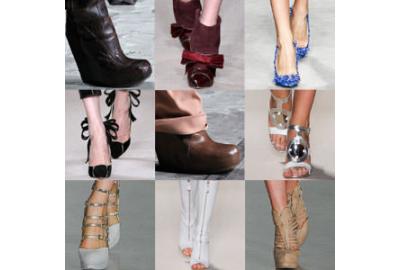
Like other Italian and European manufacturing districts, Riviera del Brenta has experienced on and off phases: the economic boom of the '60s -' 70s (in which the territory had thousands of micro and small enterprises in the footwear field), and during the last decades have experienced a physiological flattening due to consumption and in general to a shift of production to other sites.
The district is still a great referring point, even if the production scenario and the cultural context have changed, making the district no longer a huge "shoe factory" world innovation but one of the most relevant interlocutors for the production of luxury shoes.
To better understand how footwear production changed we had a pleasant conversation a manager from Peron shoe factory, Alberto Masenadore.
PERON is a shoe factory owned and managed by a single family that ensure the highest standards in design development, quality, and production. Modernity and fashion, with new technologies and fast fashion cycles, have certainly changed the way of producing the shoes and shoes that we wear every day.
Q: How has the footwear production change?
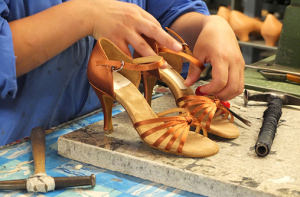
A: Many operations in shoe production have remained similar over time, especially in reference to the medium-high range. For medium-high and luxury range, the handmade production is preferable as the use of traditional machines (such as sewing machines, the handle, etc). During the years we have abandoned some activities as the soaking and the manual cutting of leather. Once upon a time, these activities were performed manually because the cost of the material was preponderant compared to that of manpower. Times change ... and today the cost of labor is a relevant component.
Q: Is there new professional roles born in the footwear industry?
A: As you can imagine there is a growing hyper-specialization, as in all the other working fields. Once upon a time, there was the modelist-stylist: the professional who draws the shoes was able to create a physical prototype, in order to check if it was really deliverable. Nowadays the ICT pushed to computerized drawing in some shoe factories with modeling software: the technical/practical knowledge is split into two figures and the realization of the drawn shoe is carried out at a later time.
Q: How about materials and fabrics?
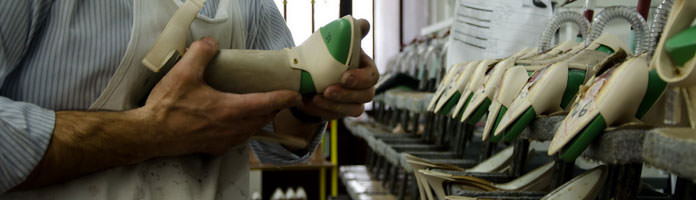
A: The elements of a shoe have remained essentially very similar (thread, leather, dyes, soles, buttresses, linings), but the treatment of some of these has changed. Today the leather is treated and colored respecting the environment and workers. There is a greater awareness of the importance of respect for the environment and the use of non-toxic substances: this leap forward is due to the environmental policies of the various nations, but also to the attention of the big brands, which impose on producers ( many of which are located in Riviera del Brenta) compliances with very strict quality standards. The most technical materials such as reinforcements (elements that allow the leather to be more resistant to use, while maintaining the original shape) are a great help, but the leather remains an element with truly irresistible performance
Q: Fashion requires faster and faster rhythms. The customer gives extreme importance to brands. How these two things impact on shoe production?
A: Collections have a brief life cycle. Thirty years ago a shoe could be produced for a few years with slight changes (color, light "restyling" of the toe or heel), while today trends change very easily. The same shoe is produced for a few months, but hardly -best seller or "icons" apart - remains on the breach for a long time. This turnover has limited the production capacity of small shoe factories, which can not economically sustain a large number of annual collections. In addition, brands have acquired increasing importance for several reasons (prestige, a larger opportunity of distribution, image) becoming an added value that is often more important than the quality of construction or the materials used. Often the brand product is preferred even compared to a better one with the same quality. No matter if we are dealing with shoes, watches or clothes brand acquired importance and is more desidered, rather than a handmade product.
Q: How did the district of the Riviera del Brenta react to these huge changes?
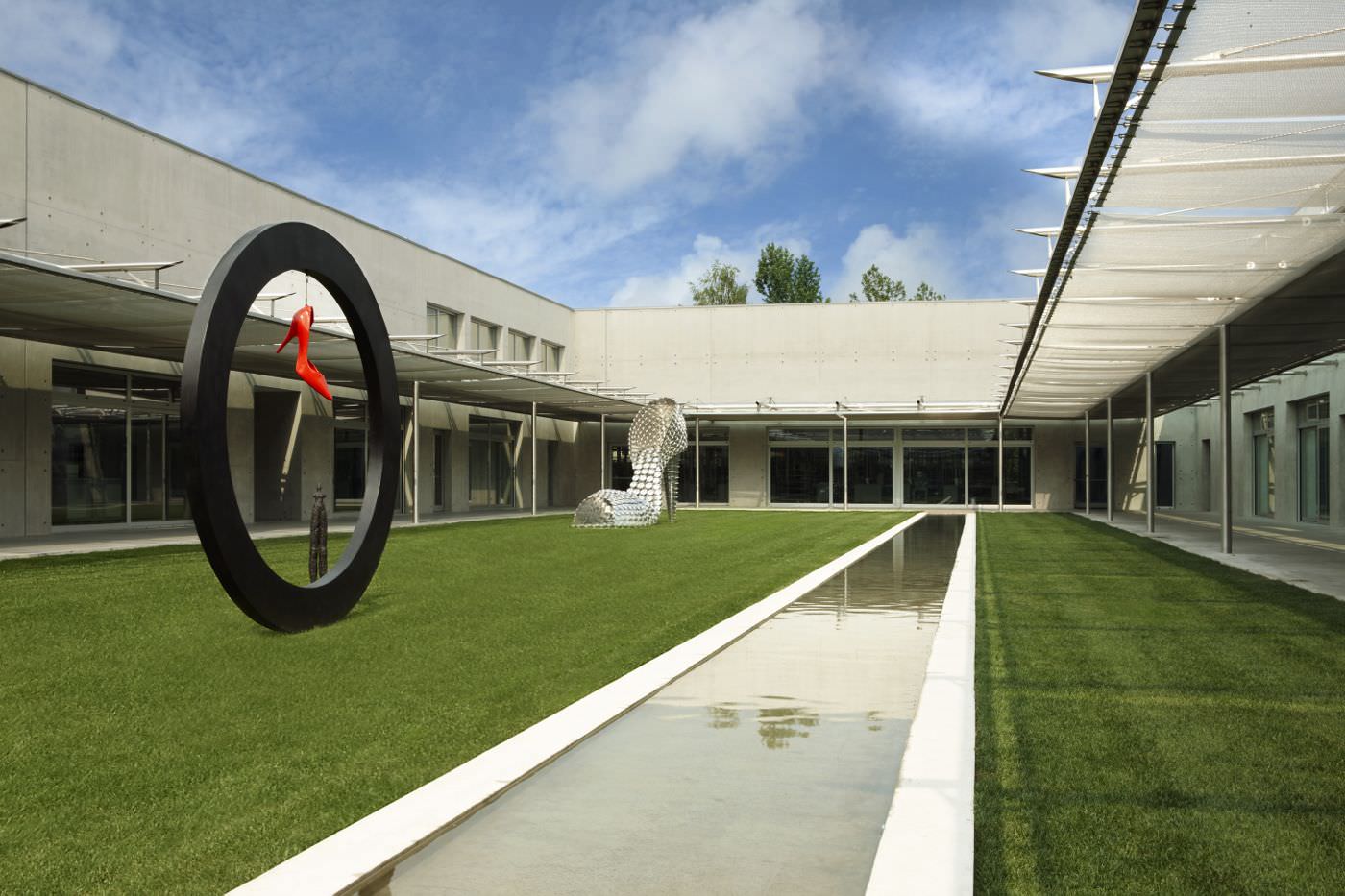
A: In the last years many companies closed. The market was changing and is not easy for a small enterprise change and remains competitive. Other shoe factories have chosen to produce shoes for international brands, abandoning the production of their own models and take advantage from the manufacturing know-how acquired in several decades of production. Matter of fact, some important fashion brands (YSL, Dior, etc.) have created manufacturing sites on the Riviera del Brenta, underlining that the district remains a reference in the production of the high-end segment. On balance, the drop in demand has led to the closure of many shoe factories (there are about 500 operators remaining on the territory), but high-profile skills have remained on the territory, thanks to the orders of the major brands in the luxury sector.
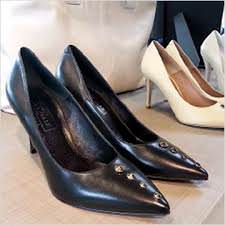
The socio-economic context since the economic boom has changed: we live in a global world the companies of the footwear sector have had to become aware of these changes. But it is nice to see how many years after the "glorious" 70s the quality of the production of the Riviera del Brenta has not changed!


